At Little Starlings in Balham, we've noticed something rather special happens when toddlers and older children learn alongside each other. It's not something you always see in traditional settings, but it's surprisingly natural, and the benefits for your child run deep.
What is Mixed-Age Learning?
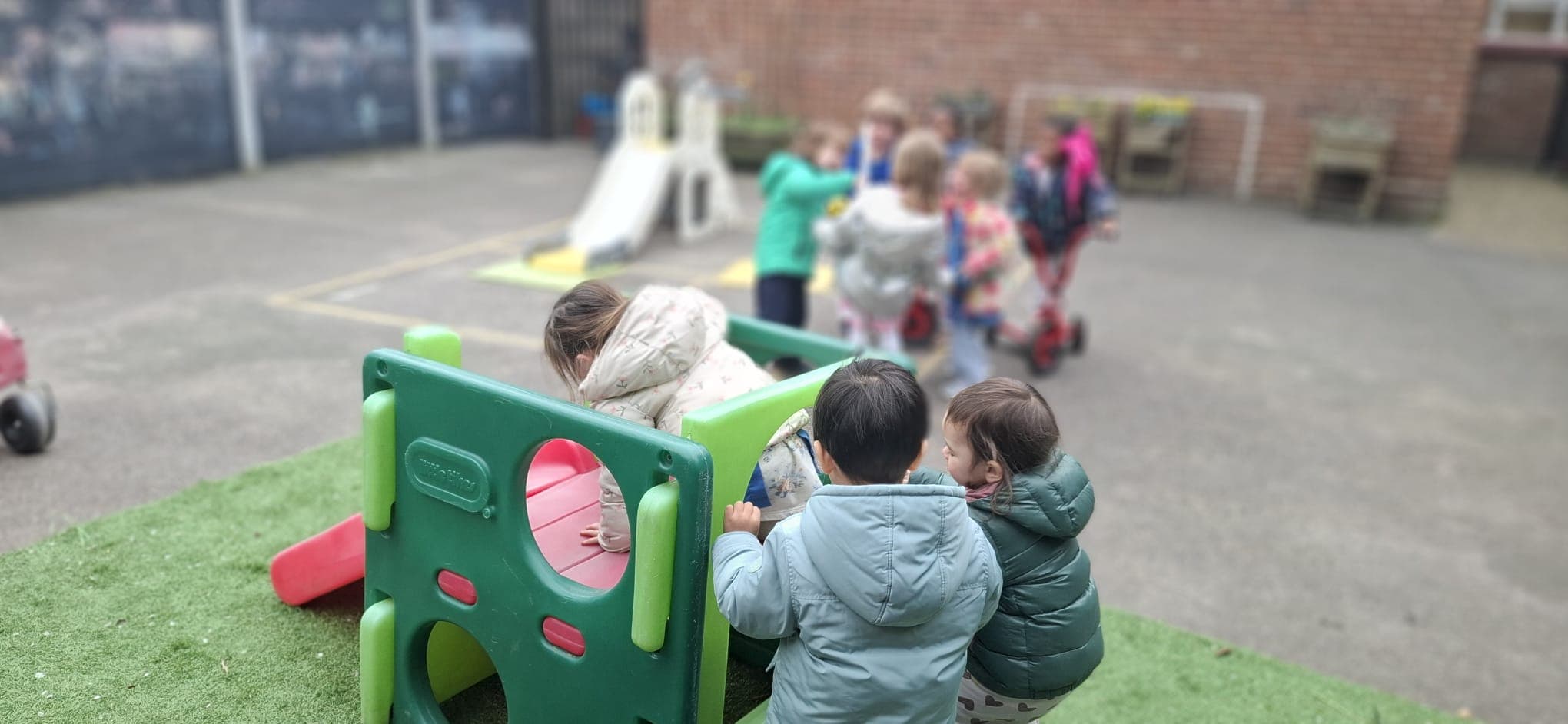
Mixed-age groups bring together children across a range of ages, typically from 16 months to 5 years. Rather than segregating children by year, we create environments where younger and older children interact, play, and learn together in the same space. This approach reflects how families and communities work in real life.
The Social Benefits
Younger children gain so much from watching older ones. A toddler might observe a four-year-old putting on their own coat and feel inspired to try it themselves. They see language in action, problem-solving in motion, and friendship in real time.
Older children, meanwhile, develop empathy and patience. They become natural mentors, explaining things in simple terms and celebrating the achievements of younger friends. This responsibility builds confidence and helps them reflect on their own learning.
Social skills develop through genuine interaction rather than artificial exercises. Children learn to negotiate, take turns, and communicate with people at different developmental stages. These are skills that will serve them throughout their lives.
Emotional Development
Mixed-age settings create a gentler, more supportive emotional landscape. Younger children feel secure seeing older, capable children in the same room. There's less pressure to perform or keep up, because children at different stages are doing different things.
Older children develop emotional intelligence by supporting younger friends. They learn that people have different needs and abilities. They experience the satisfaction of being helpful, which builds self-worth in a meaningful way.
Learning at Their Own Pace
One of the quieter benefits of mixed-age learning is that it naturally accommodates different developmental timelines. Children develop at their own pace, and that's properly normal. In a mixed-age setting, this variation is simply how things are.
A child who's not quite ready for phonics can explore sounds through play while others move ahead. A child who's ready to write can be challenged while younger friends develop fine motor skills at their own speed. There's less comparison, less pressure, and more genuine learning.
Cognitive Benefits
Younger children are exposed to ideas and language slightly beyond their current level. They see complex play they might not create themselves yet, but that sparks their imagination. Older children consolidate their own learning by explaining concepts to younger friends.
Curiosity flourishes when age groups mix. Questions get asked and answered. Skills are shared naturally. A five-year-old might learn a new game from a three-year-old, and both feel the joy of that exchange.
How It Works in Practice
At Little Starlings in Balham, our staff carefully structure the day so mixed-age learning enhances rather than complicates things. We offer whole-group activities where everyone participates at their own level, alongside smaller focused learning based on developmental stage. The environment is rich with opportunities for children of all ages to engage meaningfully.
We've seen shy toddlers flourish with the security of older friends nearby. We've watched confident five-year-olds develop real kindness and patience. And we've noticed that siblings who attend together often feel wonderfully at home.
If you'd like to see mixed-age learning in action, we'd love to welcome you. Book a tour and chat with our team about how this approach might benefit your child.